
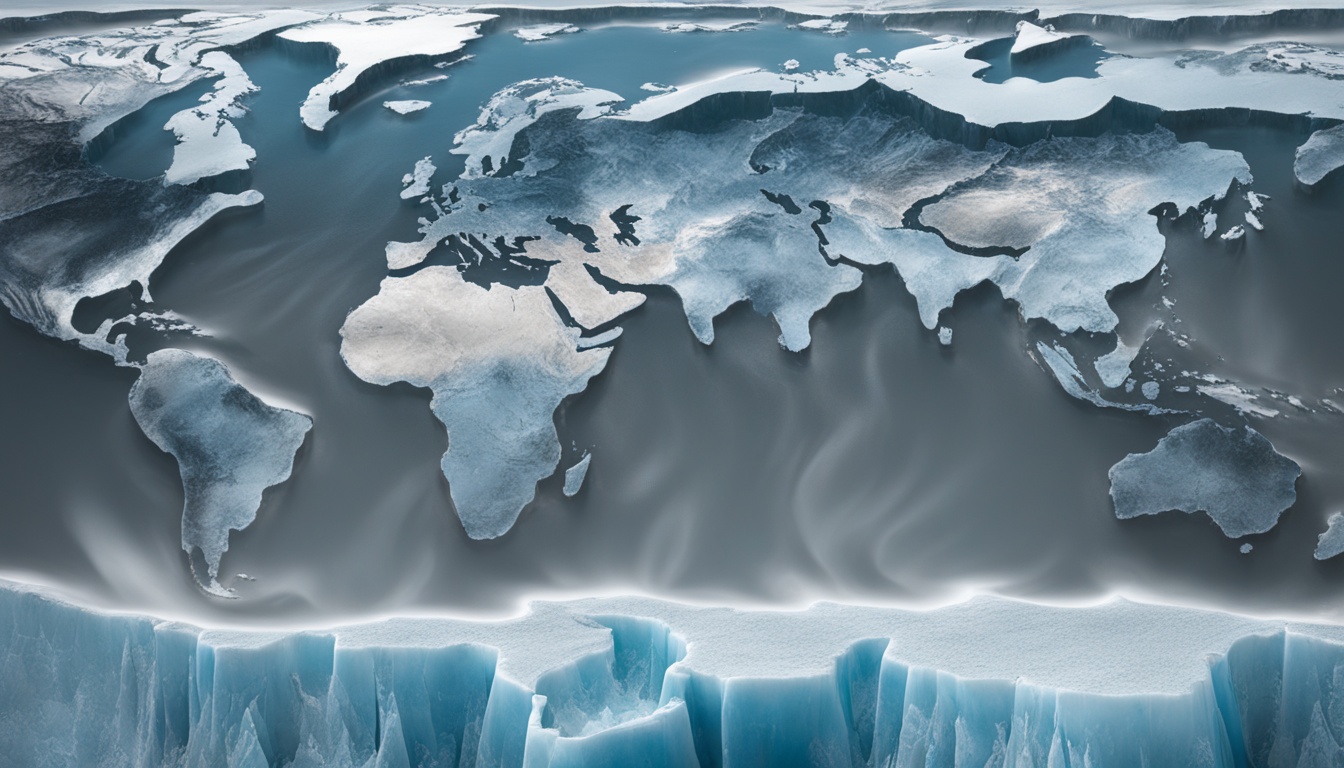
Climate change is a big problem for our planet and us. It’s important to know the science behind it and how big the issue is. This article will share 10 surprising facts about climate change to highlight why we need to act fast.
First, climate change is real and it’s affecting us now. The Earth’s temperature has gone up by about 1.1°C (2°F) since the late 1800s. This small change has caused big problems, like melting ice, rising sea levels, and more severe weather.
Another key fact is that humans are causing climate change mainly by burning fossil fuels. These activities release gases like carbon dioxide and methane, which trap heat and make the planet warm up. This is a proven scientific fact. Knowing this helps us find ways to slow down climate change.
Understanding the Global Climate Crisis
Climate science has shown us the main causes of the global climate crisis. Greenhouse gases like carbon dioxide and methane trap heat in our atmosphere. Human actions, especially burning fossil fuels, have released a lot of these gases, making the planet warmer over the past century.
Climate Change Basics: What You Need to Know
Scientists have created climate models to understand the link between human actions and climate change. These models use complex math to study the Earth’s climate and predict future changes. The data is clear: our actions, from driving to working, greatly affect the Earth’s climate balance.
The Impact of Human Activities on Earth’s Climate
As more greenhouse gases go into the air, the Earth gets warmer. This warming causes glaciers to melt, sea levels to rise, and weather events to get worse. Knowing the science behind these changes is key to tackling the climate crisis and finding ways to lessen its effects.
Engaging Insights into Climate Change
Exploring the climate change crisis reveals surprising facts and data that challenge our views. The fast melting of glaciers and more frequent extreme weather events highlight the need for action.
The Arctic is warming twice as fast as the rest of the world. This rapid warming causes sea ice to melt, affecting local ecosystems and wildlife. Also, the world’s glaciers are melting fast, with many expected to vanish in decades.
Extreme weather events like hurricanes, floods, and droughts are happening more often. These events cause destruction and disrupt communities. These facts show how human actions impact our planet.
Understanding these insights into climate change helps us see the urgency of action. With a clear view of the challenges, we can work together to find sustainable solutions. This way, we can protect our planet for the future.
Melting Glaciers: A Sobering Reality
Climate change is causing glaciers and ice sheets to melt at an alarming rate. This is happening in places like the Arctic and Antarctica. These massive ice formations are melting due to global warming, which has big consequences for Earth.
The melting of ice sheets raises sea levels because the water goes into the oceans. This is a big threat to coastal areas, where it can cause flooding, erosion, and displace millions. But it’s not just the coasts affected. The loss of ice can also harm water supplies and ecosystems in the Arctic and Antarctica.
We need to take action to stop climate change and its effects. This means cutting down on greenhouse gases, using sustainable tech, and adapting to the new environment. We all must work together to save our planet’s ice and the lives it supports.
Rising Sea Levels: A Threat to Coastal Communities
Global temperatures are rising, and so is the sea level. This is a big threat to coastal communities worldwide. They face more flooding, erosion, and damage to important buildings.
Scientists say sea levels will go up by several feet in the next few decades. This could lead to even bigger increases over time. Coastal cities and towns are at risk because they are often in low areas that flood easily.
Adapting to the Changing Coastlines
Coastal areas are looking at ways to deal with sea level rise and flooding. They might build seawalls, raise buildings, or use nature to help protect them. This includes fixing wetlands and mangrove forests.
Some places are thinking about moving important things to higher ground. This would help lessen the damage from rising seas and bad weather. It’s important for local leaders, city planners, and coastal experts to work together. They need to make plans that fit each community’s needs.
Sea level rise is a big worry, and coastal areas need to act fast. By working together, we can keep our coasts safe and strong. This will help us deal with the big changes climate change brings.
Extreme Weather Events on the Rise
Extreme weather events are happening more often and getting worse. Hurricanes, wildfires, droughts, and floods are hitting communities worldwide. Climate change is making these disasters more common.
Preparing for Natural Disasters
It’s important to get ready for these disasters. Communities should make emergency plans, strengthen buildings, and teach people how to stay safe. These steps can lessen the harm from hurricanes, wildfires, droughts, and floods.
Climate change is making things worse, so we must act. By working together, we can lessen the damage from extreme weather. Let’s build a future where our communities can handle these challenges better.
The Arctic Is Warming Twice as Fast
The Arctic is warming at a rate more than twice the global average. This warming has big effects on our planet. The reasons for this fast warming are complex, but mainly due to climate feedbacks and the Arctic’s unique ecosystem.

The melting of Arctic sea ice is a big factor in the warming. As sea ice melts, it’s replaced by darker water. This darker water absorbs more sunlight, making the warming worse. This cycle, called the ice-albedo feedback, speeds up the Arctic’s temperature rise.
The Arctic’s location and its weather patterns also play a big part. Its isolation and warm ocean currents make it more prone to quick temperature changes. As the Arctic gets warmer, it changes the temperature difference between the pole and the equator. This affects the weather and ocean currents, making the warming even worse.
This fast warming in the Arctic has big effects. It melts sea ice and glaciers, raising sea levels and changing the climate. These changes can lead to big problems for our planet.
Ocean Acidification: A Silent Threat
The oceans face a big challenge with rising temperatures from climate change. They’re also getting more acidic. This change, called ocean acidification, happens when the oceans absorb too much carbon dioxide (CO2) from the air. As CO2 levels go up, the oceans can’t handle it, changing their chemistry and harming marine life.
Protecting Marine Ecosystems
Ocean acidification deeply affects coral reefs, shellfish, and other sea creatures. Corals have a hard time building their skeletons in the acidic waters. This can destroy coral reef homes, which support many marine species. Shellfish like oysters and clams also find it hard to make their shells in acidic water, threatening their survival.
It’s vital to protect these ocean ecosystems. They’re not just important for marine life but also for people who depend on the oceans. We need to cut down on greenhouse gases, fish sustainably, and restore coastal areas to fight ocean acidification and save our marine environments.
By tackling climate change and ocean acidification, we can protect our oceans for the future. We must act now, as our marine ecosystems are at risk.
Deforestation and Its Consequences
Deforestation, the large-scale removal of forests, is a big problem. It affects our climate, carbon sinks, biodiversity, and the planet’s health. The world’s rainforests, especially in the tropics, are being cut down fast. It’s important to see how this crisis impacts us.
Deforestation is a big worry because it hurts the climate. Forests soak up a lot of carbon dioxide from the air. But when forests are cut down, this stored carbon gets released. This makes the greenhouse effect worse and raises global temperatures.
Also, losing these important ecosystems harms global biodiversity. Rainforests are full of different plants and animals, some we haven’t even found yet. Cutting down forests destroys their homes, leading to more species going extinct and harming the ecosystem.
To fix the problems of deforestation, we need to focus on reforestation and sustainable forest management. Replanting trees and protecting forests helps bring back the Earth’s natural carbon sinks. It also keeps the biodiversity that keeps our global ecosystem balanced.
Climate Change and Food Security
Climate change is a big challenge for global food security. Rising temperatures affect how much food we can grow and where we can farm. This is a big problem that needs quick action to keep food safe and steady for everyone.
Sustainable Agriculture: A Way Forward
To fight climate change’s effect on food, we need sustainable farming. Practices like growing different crops together, using less tillage, and managing pests well can help. These methods improve soil and water and cut down on harmful gases.
New tech like GPS, drones, and data analysis can make farming better. They help use resources wisely and grow more food with less harm to the environment. By using these methods, we can make farming stronger and more secure for the future.

Dealing with climate change and food security needs quick and strong action. By focusing on sustainable farming, we can keep food safe and plentiful. This also helps lessen climate change’s harm on our food systems.
The Role of Renewable Energy
The world is facing big challenges from climate change. Using renewable energy is key to fighting greenhouse gas emissions. Solar and wind power are leading the way in this change.
Solar and wind power are getting cheaper and more efficient. They are good alternatives to old energy sources. Using the sun and wind helps us use less carbon-heavy fuels. This makes our future more sustainable.
Using more renewable energy can greatly reduce greenhouse gas emissions. This is important for fighting climate change. As more countries and communities switch to clean energy, solar and wind power play a big role in solving the climate crisis.
The future of energy is renewable. We need to invest in solar and wind power. This will help us create a better energy system. It will protect our planet and give a bright future for our children.
Individual Actions to Combat Climate Change
Individual actions are crucial in fighting climate change, alongside what governments and corporations do. We all can reduce our carbon footprint and support sustainable living. By doing so, we become part of the solution.
Improving our home’s energy efficiency is a big step. This means using energy-saving appliances, LED bulbs, and keeping our homes well-insulated. Using renewable energy sources like solar or wind power helps us use less fossil fuels. Choosing how we travel, like using public transport or electric cars, also helps a lot.
Our daily choices matter a lot too. We can all reduce waste, recycle more, and live more sustainably. This means buying items with less packaging, cutting down on food waste, and supporting eco-friendly businesses.