
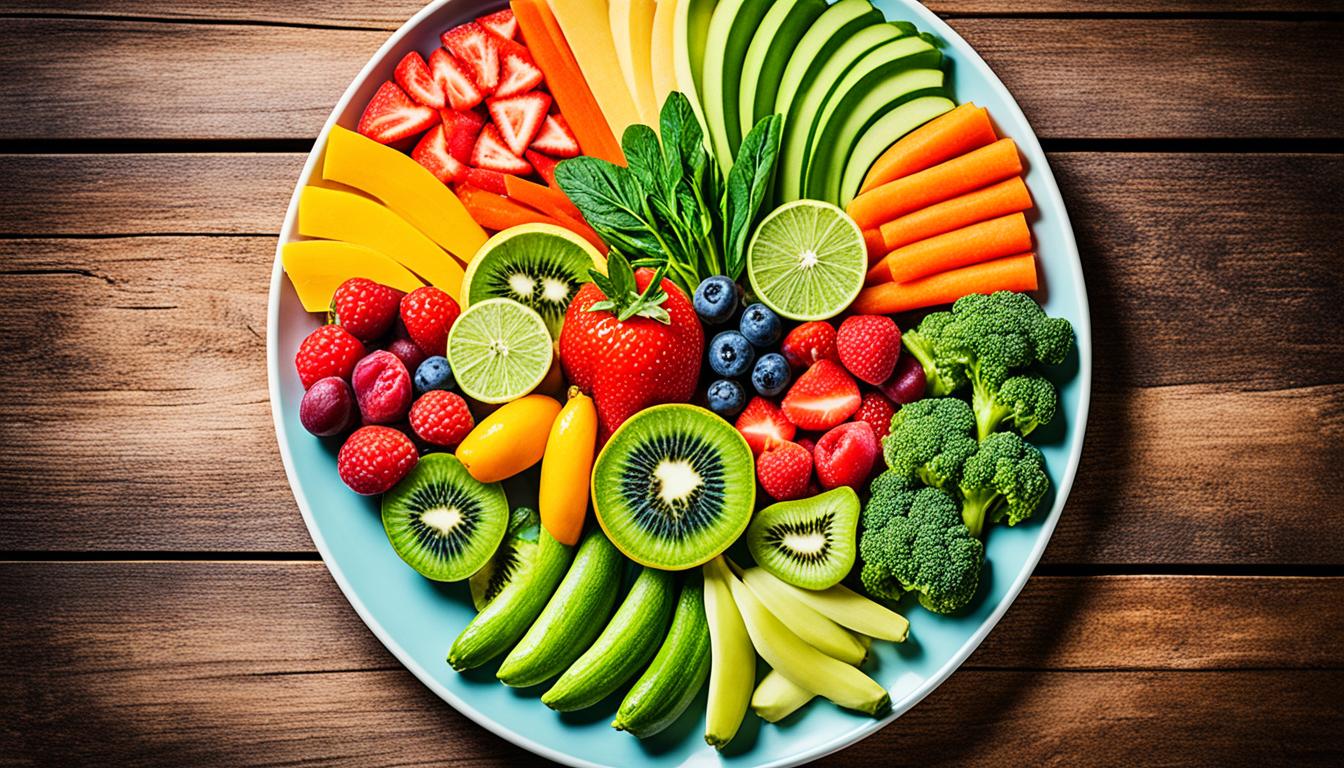
Get ready to change how you see nutrition with 10 surprising, science-backed facts. These will change your view on diet and health. Discover the power of plant-based proteins and the link between your gut and brain.
Nutrition is always changing, bringing new insights that challenge old beliefs. If you love health or just care about what you eat, these nutrition facts, surprising nutrition truths, and diet transforming insights will amaze you.
Be amazed by the secrets of nutrient-rich foods that can boost your health. Learn about the gut-brain link, the importance of micronutrients, and more. This article will show you how nutrition revelations can change your life.
Embracing Nutrient-Rich Foods
Fueling your body with foods full of nutrients is key to great health and energy. Plant-based proteins and superfoods are great for this. They can change how you feel in big ways.
The Power of Plant-Based Proteins
Plant-based proteins are a big deal for health. They are full of fiber, vitamins, and minerals. This makes them a superfood. Adding things like lentils, chickpeas, and quinoa to your meals helps you get enough protein and other important nutrients.
Unraveling the Mysteries of Superfoods
Superfoods are packed with nutrients and can greatly improve your health. Berries and turmeric are examples of these foods. They boost your immune system, help your gut, and even make your brain work better. Try adding superfoods to your daily meals for a big nutrition boost.
Engaging Insights into Gut Health
Discover the secrets of your gut health and see how it affects your overall well-being. The gut microbiome is a complex group of trillions of microorganisms in your digestive system. It plays a key role in keeping you healthy in body and mind.
Recent studies have uncovered the deep link between gut health and our overall health. A balanced gut microbiome is crucial for good digestion, absorbing nutrients, and a strong immune system. It also affects our mood, thinking skills, and mental health.
To keep your gut healthy, add gut-friendly foods to your meals. Foods like yogurt, kefir, and fermented veggies boost beneficial gut bacteria. Foods high in prebiotics, such as fruits, veggies, and whole grains, feed the gut microbiome. This helps it grow and become more diverse.
By learning about gut health and making smart food choices, you can improve your physical and mental health. Embrace the power of your gut for a healthier, happier life.
Rethinking Traditional Dietary Wisdom
In the world of nutrition, it’s time to question old beliefs and find the truth in food myths. Traditional diet advice has often been seen as the truth. But new studies have changed our view of diet, nutrition, and health.
Demystifying Popular Food Myths
Many think fat is bad for you, but that’s not true for all fats. Healthy fats in foods like avocados, nuts, and olive oil are good for you. Also, carbs aren’t the enemy. Whole, nutritious carbs give you energy and help your gut when eaten in moderation.
Some believe foods like eggs or red meat are always unhealthy. But, their effect on health depends on many things like diet, how much you eat, and your body’s makeup. By looking at the facts, we can make better choices for our health.

It’s key to know the difference between food facts and fiction as we rethink diet advice. Keeping up with new studies and questioning our beliefs helps us understand how food affects us. This lets us make choices that help us feel our best.
The Science Behind Mindful Eating
In today’s fast world, we often eat without thinking. But research shows that mindful eating can change how we see food. It’s about eating with full attention and listening to our body’s hunger signals.
Studies reveal that mindful eating makes meals more enjoyable and fulfilling. By eating slowly, we notice the flavors and smells of our food better. This makes us enjoy our meals more. Plus, it helps with digestion, reduces cravings, and gives us better control over what we eat.
The science is interesting. Being mindful changes our brain activity. It lessens the emotional and impulsive parts of our brain related to food. The part that helps us make decisions and control ourselves gets more active. This leads to healthier eating habits and a better relationship with food.
Navigating the World of Food Labels
In today’s fast-paced world, food labels can seem complex. But it’s key to understand them to make choices that fit your diet and tastes. Let’s explore how to read food labels and make smart choices.
Decoding Nutrition Facts and Claims
The nutrition facts panel tells you a lot about a product’s nutrition. It shows serving size, calories, and important nutrients. But, be careful with health claims like “low-fat” or “high in fiber.” They might not always be true.
Look for products with clear ingredient lists. This way, you know what you’re eating. Understanding food labels helps you make choices that are good for you.
Your health and diet should guide you as you read labels. Take the time to understand the information. This can lead to a healthier life and a better connection with your food.
Surprising Benefits of Hydration
Drinking enough water is key for good health, but many don’t realize its importance. Water keeps the body working right and has many benefits beyond just drinking to quench thirst. It boosts energy and helps with thinking skills, among other things.
Drinking enough water helps control body temperature. It’s key in preventing dehydration and heat sickness. It also helps get rid of toxins, which is good for your health.
Hydration is good for your brain too. Not drinking enough water can make you less alert, forgetful, and less able to make decisions. Drinking enough water supports your brain and can make you more productive and focused.
Hydrated skin looks better and stays healthy. Water keeps skin moisturized, reducing wrinkles and making skin glow. It also helps skin heal faster.
Eating more water-rich foods and drinks can help you stay hydrated. Try eating juicy fruits, veggies, soups, or making smoothies. These are tasty ways to get more liquid nutrition and stay hydrated all day.
Fueling Your Body for Optimal Performance
Sports nutrition and workout timing are key to doing your best. Planning what you eat helps boost your energy, aid in recovery, and reach your fitness goals.
Nutrient Timing and Exercise
When you eat before a workout matters a lot. Eating complex carbs and protein gives you energy and helps your muscles last longer. During exercise, drinking plenty of water and getting electrolytes keeps you going strong. After, eating protein and carbs helps your muscles recover and refill your energy stores.
Knowing how nutrients work with exercise can fuel your body right. Matching your food with your activity levels lets you perform at your best. This is true for athletes and fitness lovers alike.
The Role of Micronutrients in Wellbeing
Micronutrients are key to our health and well-being. They include vitamins, minerals, and trace elements that help our bodies work right. These nutrients are important for our immune system, metabolism, and more. Knowing about them helps us make better food choices for our health.
These nutrients help our immune system fight off sickness. Vitamins C and E, along with minerals like zinc and selenium, boost our immune system. Getting enough of these nutrients is crucial for staying healthy and strong.
Micronutrients also keep our bones, teeth, and skin healthy. Calcium, vitamin D, and magnesium help our bones stay strong. Antioxidants like vitamin C and zinc keep our skin looking good. Eating foods rich in these nutrients helps our bodies function well and prevents nutrient shortages.
Learning about micronutrients helps us make smart food choices. By eating foods full of these nutrients and fixing any shortages, we can improve our health and energy. This leads to better overall health and well-being.
Exploring the Gut-Brain Connection
The gut-brain axis is a topic that’s getting a lot of attention in health and wellness. It shows how our gut microbiome and our brain are connected. This connection is showing us how important gut health is for our mental well-being.
Studies are revealing that the gut microbiome, full of different microorganisms in our digestive system, affects our mood and brain function. It does this by making neurotransmitters and controlling inflammation. This can change how we feel, remember things, and even make decisions.
Probiotics and fermented foods are good for this gut-brain link. They help grow good gut bacteria. This keeps our microbiome healthy, which supports our mental health and brain function. Eating more foods like yogurt, kefir, and sauerkraut can be a great way to help this connection.

Learning about the gut-brain connection is both interesting and empowering. It shows us how our gut health affects our mental well-being. By making smart diet and lifestyle choices, we can support this link. This can lead to better health and make us more resilient in our minds and emotions.
Debunking Common Nutrition Misconceptions
In the world of nutrition, myths and diet fads often confuse what we think is healthy eating. It’s time to clear up these misconceptions with the latest science. By checking food claims and using evidence, we can know what’s true and what’s not. This helps us make better choices for our health.
Many think some foods, like berries and leafy greens, can magically improve our health. These foods are indeed good for us, but they’re not magic solutions. A balanced diet with a variety of foods is best for our health.
Some believe cutting out carbs or fats helps with weight loss. But, losing weight safely comes from eating balanced calories and staying active. Cutting out foods can lead to missing out on important nutrients and is hard to keep up with.
By questioning these myths and choosing evidence-based eating, we can eat better and be healthier. Let’s ignore the diet fads and stick to proven healthy eating habits for a lifetime of wellness.
Embracing a Holistic Approach to Nutrition
For optimal health and well-being, a holistic approach to nutrition is key. It’s about understanding how diet, lifestyle, and individual needs work together. By creating a personalized nutrition plan, you can reach your health goals and enjoy the benefits of a whole wellness strategy.
Everyone’s nutritional needs are different. Your genes, how active you are, how you handle stress, and your lifestyle all affect what you need to eat. A holistic nutrition plan takes these things into account. This way, you get a diet that fits your unique needs and tastes.
Think about how your diet, exercise, and stress management can work together. This approach can boost your energy, improve your digestion, make you think clearer, and strengthen your immune system. By seeing nutrition as part of a bigger picture, you can fully benefit from personalized nutrition and improve your health and well-being.