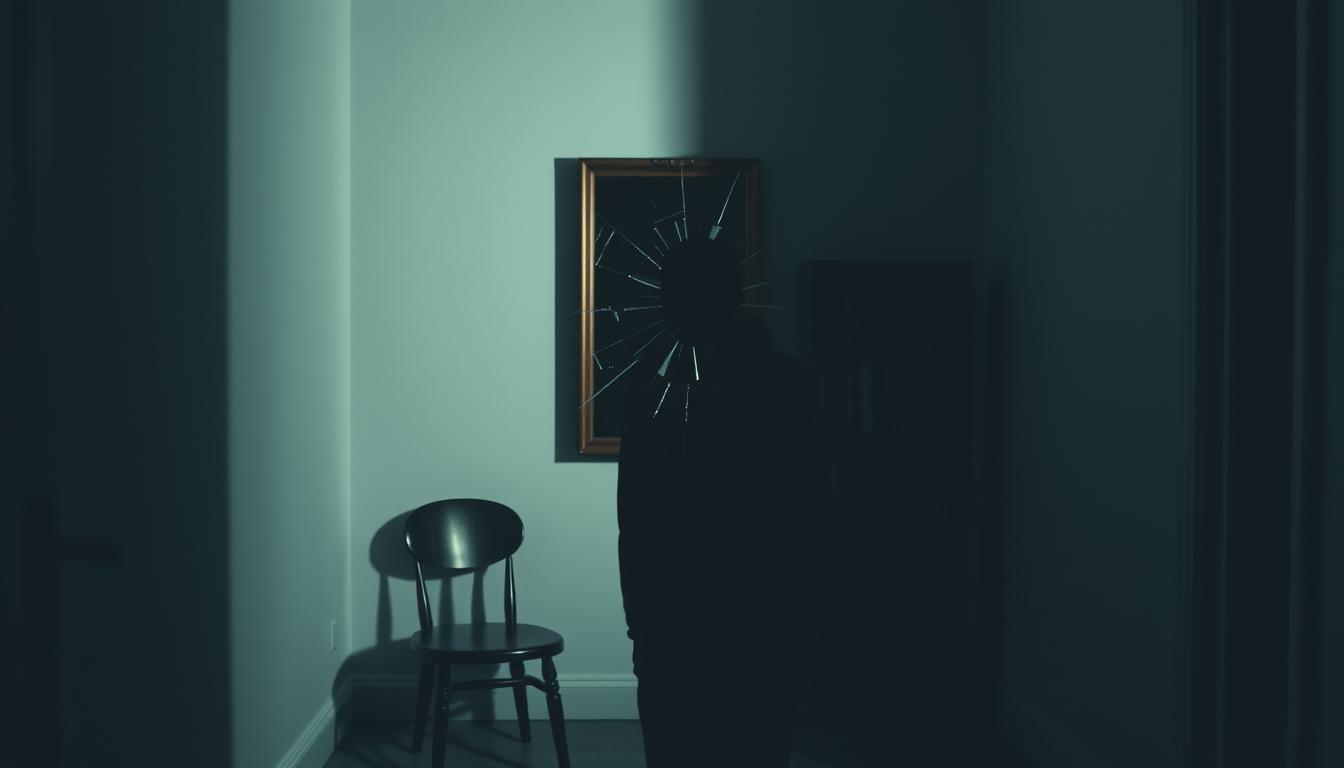
Hidden biases, or unconscious bias, greatly affect our actions and choices. They often work without us realizing it. Our brains handle a lot of information every second. But, we can only focus on a small part of it consciously.
This means most of what we process is done without us knowing. It’s managed by our unconscious mind.
Studies show that many people secretly dislike differences in others. This dislike can lead to hidden biases that shape our thoughts and actions. It’s important to understand these biases to change our behavior and make better choices.
By recognizing these biases, we can work to reduce their impact. This helps create a more welcoming environment for everyone. It’s all about being aware of our own biases.
Many real estate agents might unknowingly show houses based on their biases. This is true for people of different races too. About 70% to 75% of Americans show biases in race when they take certain tests.
This shows how big of a problem biases are. We need to tackle these issues to make society fairer. By doing so, we can overcome hidden biases and create a better world for all.
Understanding the Nature of Hidden Biases
Implicit bias is about the hidden attitudes or stereotypes that shape our actions and decisions. The Kirwan Institute explains it as attitudes or stereotypes that affect us without us realizing it. Unconscious bias, in contrast, refers to the hidden prejudices that guide our behavior and choices. Bias definition helps us see how these biases influence our views and interactions with others.
A study by Bertrand and Mullainathan showed that resumes with “white-sounding” names got 50% more interview callbacks than those with “African-American-sounding” names. This study shows how implicit bias can affect our choices. Another study by Green et al. found that doctors’ biases led to a 20% lower chance of treating black patients with thrombolysis compared to white patients. These studies highlight the importance of tackling unconscious bias in different areas.
It’s key to understand the difference between implicit and unconscious bias to grasp their impact on our interactions. By recognizing and tackling these biases, we can strive for a fairer and more just society. As Mahzarin R. Banaji and Anthony G. Greenwald say, hidden biases are like “mindbugs” that cause errors in how we perceive, remember, reason, and decide. By grasping the nature of hidden biases, we can start to overcome them and foster a more inclusive and caring environment.
The Science of Implicit Bias in Decision Making
Research shows that our brains quickly judge things, leading to biases. This can cause unfair behavior, even if we don’t mean to. Implicit bias was first talked about by Mahzarin Banaji and Tony Greenwald in 1995. The Implicit Association Test (IAT) from 1998 measures these biases by how fast we react to images and words.
The brain function is key in forming these biases. Our brains are set up to make fast choices, often with little information. This can create biases that affect our decision making. For example, Black job seekers are 50% less likely to get interview callbacks than White ones with the same skills.

It’s important to understand how our brains create biases to fight them. By knowing about implicit bias, we can work to make fairer choices. This helps ensure fairness and equality in education, jobs, and healthcare.
Common Types of Hidden Biases in Everyday Life
Hidden biases show up in many parts of our lives. They affect hiring, medical care, and how we interact with others. For example, biases based on race, gender, or age can shape how we see people. It’s important to understand these biases to create a fairer world.
Many studies have found biases in hiring, medical care, and social interactions. For example, older workers often face age discrimination. Women hold only about 25% of top executive positions.
When it comes to promotions, women are less likely to move up the ladder. Workers who are seen as attractive can earn up to 15% more. Beauty is often linked to being seen as competent and successful.
Training programs are being used to fight bias in hiring. Companies that use clear hiring processes can reduce bias. This helps make hiring fairer for everyone.
Research has shown that about 19 different unconscious biases can affect workplaces. These biases, like bias based on looks, age, and more, impact team work and hiring. Studies have shown their big impact on how we make decisions.
How Cultural Backgrounds Influence Our Hidden Biases
Our cultural backgrounds shape our hidden biases. Growing up, we learn values and norms that affect our biases. Recognizing this can help us understand and overcome these biases.

Companies that value diversity lead in innovation. They see better cash flow and attract more job seekers. Yet, many feel their companies don’t do enough for diversity.
Women face harsher judgments than men at work, making them seem less competent. Over 70% of people show bias, even if they believe in equality. Names can affect hiring, with White-sounding names getting more callbacks.
Training on unconscious bias improves team diversity by 15%. Many believe diversity is important, but progress is slow. Bias is common, affecting hiring and performance evaluations.
The Impact of Hidden Biases in Professional Settings
Hidden biases can greatly harm professional settings, leading to less diversity and inclusion. Studies show that biases in hiring can be based on many things. For example, names, age, beauty, and even height can play a role.
Candidates with names that sound white are 50% more likely to get interviews than those with ethnic-sounding names. This shows how deep these biases can run.
In professional settings, biases can influence who gets hired and promoted. This affects the diversity of the workplace. When resumes are “blind,” focusing on skills becomes more important.
Diverse interview panels can also help. They bring different views, reducing biases based on personal connections.

Organizations can fight hidden biases in many ways. Training, diversity efforts, and fair policies are key. Recognizing these biases helps us create a more welcoming workplace.
The Implicit Association Test (IAT) is a tool online to spot and measure biases. It’s a great resource for companies wanting to tackle workplace bias.
Recognizing Your Own Hidden Biases
It’s important to practice self-reflection and awareness to spot our own hidden biases. This helps us understand how our biases shape our thoughts and actions. Studies show that these biases can affect how children of color and white kids learn together in school.
Research finds that people with biases tend to act unfriendly towards certain groups. Yet, seeing positive role models can change these biases for a while. The American Bar Association says that self-reflection can cut down biases by up to 40% with regular practice.
Spotting our own hidden biases is key to a fairer world. Through self-reflection and awareness, we start to fight these biases. Let’s keep working to see and beat our hidden biases for a better, more inclusive society.
The Role of Media in Reinforcing Hidden Biases
Media shapes how we see the world, often spreading hidden biases and stereotypes. Studies show that media representation deeply affects our biases. For example, a study found that black-sounding names get 70% fewer callbacks than white-sounding names with the same resume.
How people are shown in the media shapes our views and attitudes. This can lead to unconscious biases. For instance, 20% of black families are linked to crime in media, but they make up a much smaller percentage in real crime stats. It’s key to understand how media representation affects bias.

Recognizing media’s role in hidden biases helps us strive for a fairer society. We can achieve this by pushing for more diverse representation in the media. This effort can help reduce hidden biases. For example, female musicians in orchestras increased after blind auditions started in the 1970s, showing the power of addressing hidden biases.
Breaking Free from Cognitive Shortcuts
It’s key to spot cognitive shortcuts to beat implicit bias and unconscious bias. Knowing these mental tricks helps us find ways to avoid them. We can do this by looking at different views, talking openly, and showing empathy.
Studies show that cognitive biases can lessen with training. This method can cut down bias by 29%. Also, knowing our own biases helps us make better choices and build a welcoming space.
By escaping cognitive shortcuts, we help fairness and equality in our lives. We need to question our own beliefs and look for various viewpoints. This way, we build a fair world where everyone can succeed.
Remember, unconscious bias comes from many places, like feelings and social norms. Knowing this helps us find ways to reduce its effect. To truly break free, we must be aware, empathetic, and understanding.
Practical Strategies for Bias Mitigation
It’s key to use inclusive practices in our daily lives to fight hidden biases. We must value diversity and inclusion to make our world fairer. This means talking openly, understanding others, and looking at different views.
Creating clear rules in work places helps avoid biases in decisions. Blind hiring, where names and faces are hidden, makes it fairer. Studies show teams with diverse members can hire more diverse groups by up to 30%.
Companies that talk openly and feel safe have 40% more engaged employees. Regular checks on bias policies make them better. This leads to 20% happier employees about diversity and inclusion.
By using bias mitigation in our daily lives, we help make society fairer. This is how we promote inclusive practices.
Research shows that being aware of our biases and not blaming ourselves helps. Using tools like the Implicit Association Test helps us see our biases. These steps help us fight biases and make our world more welcoming.
The Neuroscience Behind Bias Formation
Research in neuroscience has uncovered the complex ways biases form in our brains. It shows that our brain’s parts like the amygdala, hippocampus, and prefrontal cortex are key. These areas help us remember and associate, which can lead to biases.
Studies reveal that biases can start early, even in newborns. They prefer sounds they heard before birth. As we age, our brain’s function shapes our biases further. The amygdala and hippocampus are key in forming these biases.
Understanding the neuroscience of bias helps us create a fairer world. We can do this by recognizing shortcuts in our thinking. We also need to reflect on ourselves, practice empathy, and seek understanding.
Embracing a More Conscious Way of Thinking
As we’ve explored the impact of hidden biases, it’s clear that we need to think more consciously. This is key to promoting inclusion and diversity. By recognizing our biases, we can work towards fairness in our lives.
Open-minded dialogue and empathy are important steps. Seeking diverse perspectives helps too. This way, we value and respect everyone. By doing this, we avoid unfair decisions and missed chances.
The path to a more inclusive society begins with us. We must take responsibility for our biases. By thinking and acting more deliberately, we can unlock the power of diversity. This way, everyone has a fair chance to succeed.