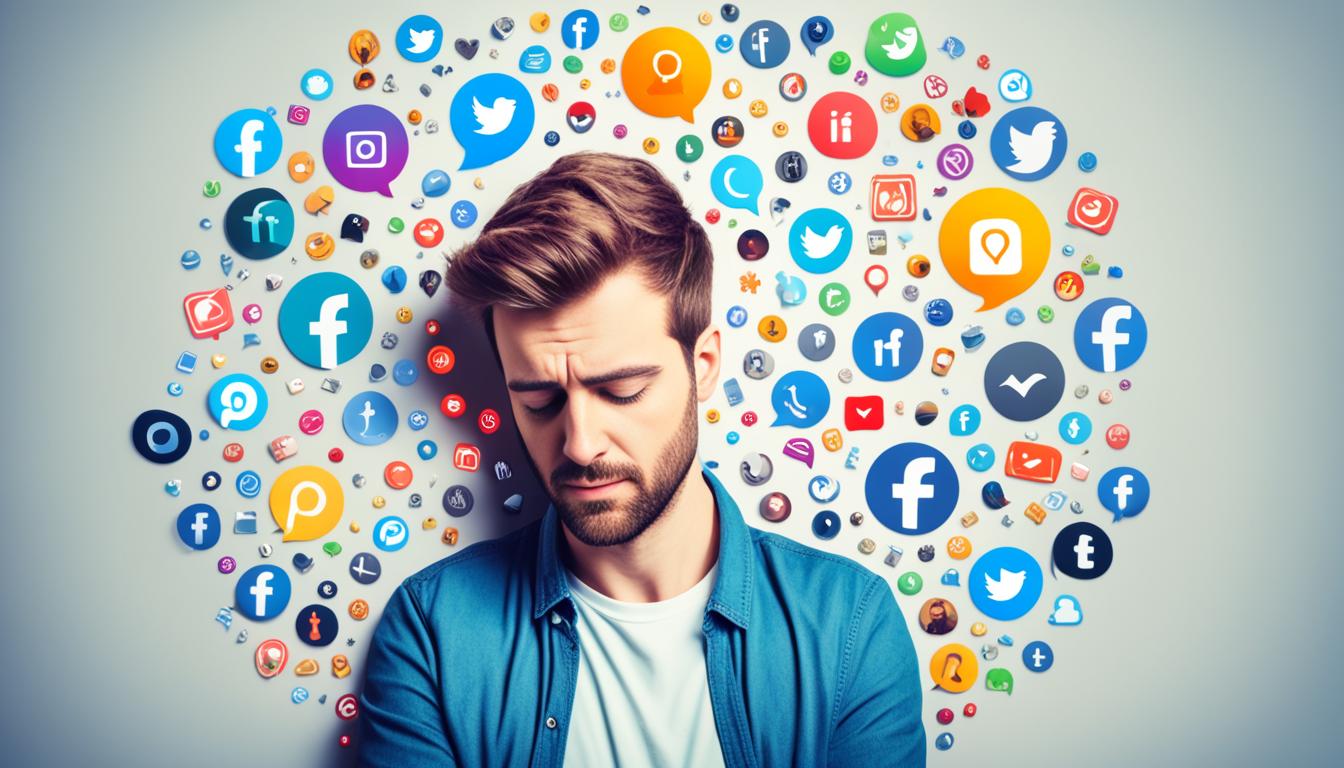
Social media is everywhere in our digital lives. It has a big effect on our mental health. This article will look into how social media and mental health are connected. We’ll uncover the hidden truths and insights about the impact of our online lives on our minds.
We’ll talk about how social media can be addictive and how it affects our self-esteem and body image. We’ll also look at cyberbullying and social comparison. This article aims to give a full picture of how social media can affect our mental health today.
Introduction: The Digital Age and Its Psychological Impact
The digital age has changed how we interact and see ourselves and the world. Social media and technology have deeply affected our mental health. They have brought both good and bad changes.
Now, we’re always connected, getting a lot of information and social updates. This closeness has its downsides, though. Social media addiction, feeling bad by comparing ourselves to others, and cyberbullying are big issues. These problems affect our mental health a lot.
Looking into social media and digital tech helps us see how they change us. By understanding this, we can find ways to use technology and social media better. This can help us have a healthier balance with these tools.
Engaging Insights: Exploring the Relationship Between Social Media and Mental Well-being
In today’s digital world, the link between social media and mental health is a big topic. Social media has changed how we talk and connect with others. But, it also brings complex mental health issues that we need to look at closely.
The connection between using social media and our mental health is complex. On one side, it can make us feel part of a community, help us make real connections, and let us express ourselves. But, the constant comparing ourselves to others, seeking approval, and seeing perfect lives online can make us feel bad, anxious, and depressed.
Looking into how social media affects our mental health helps us understand more about it. This knowledge lets us move through the digital world smarter. It helps us find better ways to keep our minds healthy.
The Dopamine Rush: Social Media’s Addictive Nature
Social media is a big part of our lives today. But it’s not just about staying connected. It also affects our brain’s reward system, giving us a dopamine rush that can make us addicted. It’s important to understand why we seek validation online to deal with its effects.
Understanding the Brain’s Reward System
Using social media makes our brains release dopamine, which is linked to feeling good and getting rewards. This is similar to enjoying tasty food or getting praise. This dopamine makes us want more likes and comments, keeping us hooked on social media.
The Consequences of Constant Validation-Seeking
Always wanting social media validation can harm our mental health. It can make us anxious, depressed, and unsure of ourselves. It can also mess up our sleep, make us less productive, and hurt our real-life relationships. Knowing how social media affects us is key to stopping this addiction.

Social Comparison: The Paradox of Envy and Insecurity
Social media has become a big part of our lives. It shows us the perfect lives of others, leading to a rise in social comparison. This comparison affects our mental health in a big way.
We see images and updates that show others’ successes and perfect lives. This makes us naturally want to compare ourselves. It often leads to feeling not good enough and unhappy with our lives.
Social comparison hurts our mental health a lot. People who compare themselves often feel depressed, anxious, and have low self-esteem. Trying to look perfect online can be hard, as we try to match our peers’ successes.
We need to deal with the envy and insecurity social media brings. By knowing the biases in social media and not aiming for perfection, we can use these platforms better. We should focus on real connections and growing ourselves, not just what others think.
Cyberbullying: The Dark Side of Online Interactions
Our lives are more connected to social media now, which means we face cyberbullying more often. This online harassment can really hurt our mental health. It makes victims feel alone, anxious, and even depressed. It’s important to know the signs of cyberbullying and how to deal with it to protect our well-being.
Recognizing the Signs of Cyberbullying
Cyberbullying can show up in many ways, like constant teasing and sharing private stuff online. Victims might feel helpless, have low self-esteem, and not want to use social media anymore. Spotting these signs is key to tackling the issue and getting help.
Strategies for Coping and Seeking Support
Dealing with cyberbullying is tough, but there are ways to handle it. Talking openly, setting limits on social media, and getting help from friends, family, or experts can help. Taking action to fight cyberbullying can help people take back their online space and keep their mental health strong.
The Fear of Missing Out (FOMO): Anxiety in the Digital Age
In today’s fast-paced digital world, FOMO, or the fear of missing out, is everywhere. As we scroll through social media, we see our friends’ perfect lives. This makes us feel anxious, pushing us to stay connected all the time.
Seeing others’ best moments can make us feel insecure and envious. We start comparing ourselves to others, thinking they have better lives. This can lead to more anxiety, depression, and feeling less worthy.

FOMO isn’t just about social media. The digital age brings us constant news and fun. We feel pressured to keep up, which can be too much. This leads to being always distracted and missing the now.
To deal with FOMO, we need to understand its causes and find healthy ways to cope. By being aware of ourselves, setting limits, and enjoying real-life activities, we can manage the online world better. This helps us find balance and happiness.
The Impact on Self-Esteem and Body Image
Social media has a big effect on how we see ourselves. It shows us beauty standards that are often not real. This can make people feel bad about themselves. It’s important to understand how social media affects our self-image to stay positive.
Debunking Unrealistic Beauty Standards
Social media is full of images that set beauty standards that are hard to reach. We see perfect skin, toned bodies, and flawless makeup. But remember, these images are often edited and don’t show real people.
Cultivating a Positive Self-Image
To fight the negative effects of social media, we need to build a positive self-image. This means being around positive content and people who accept all kinds of beauty. Taking care of ourselves and doing things that make us feel good can also help.
Social Media and Loneliness: The Paradox of Connectivity
In today’s world, social media offers endless chances to connect. Yet, we see a strange trend – more people feel lonely. This shows how complex the link between social media and feeling lonely is.
Social media can make us feel envious, not good enough, and like we don’t belong. Seeing others’ perfect lives online can make us feel far from our own feelings. This can lead to feeling alone and affect our mental health, making us anxious, depressed, and less confident.
It’s ironic that platforms meant to connect us can sometimes make us feel more isolated. This shows we need to find a balance between our online and real-life connections. We should focus on building strong relationships and having a healthy view of social media.
The Sleep Disruption: How Screen Time Affects Sleep Quality
In today’s world, social media and screens are a big part of our lives. This has made us worry more about how they affect our sleep. The blue light from devices can mess with our natural sleep cycle, making it hard to fall asleep and sleep well.
Research says that being always connected and seeking likes on social media keeps us awake. It’s hard for our minds to relax and sleep well because of this. This issue is linked to more anxiety, depression, and thinking problems.
Experts suggest we need to sleep well to stay healthy. They advise us to stick to a bedtime routine, cut down on screen time before bed, and make our bedrooms quiet and free from screens. By focusing on sleep and healthy habits, we can handle the effects of social media on our mental health better.