
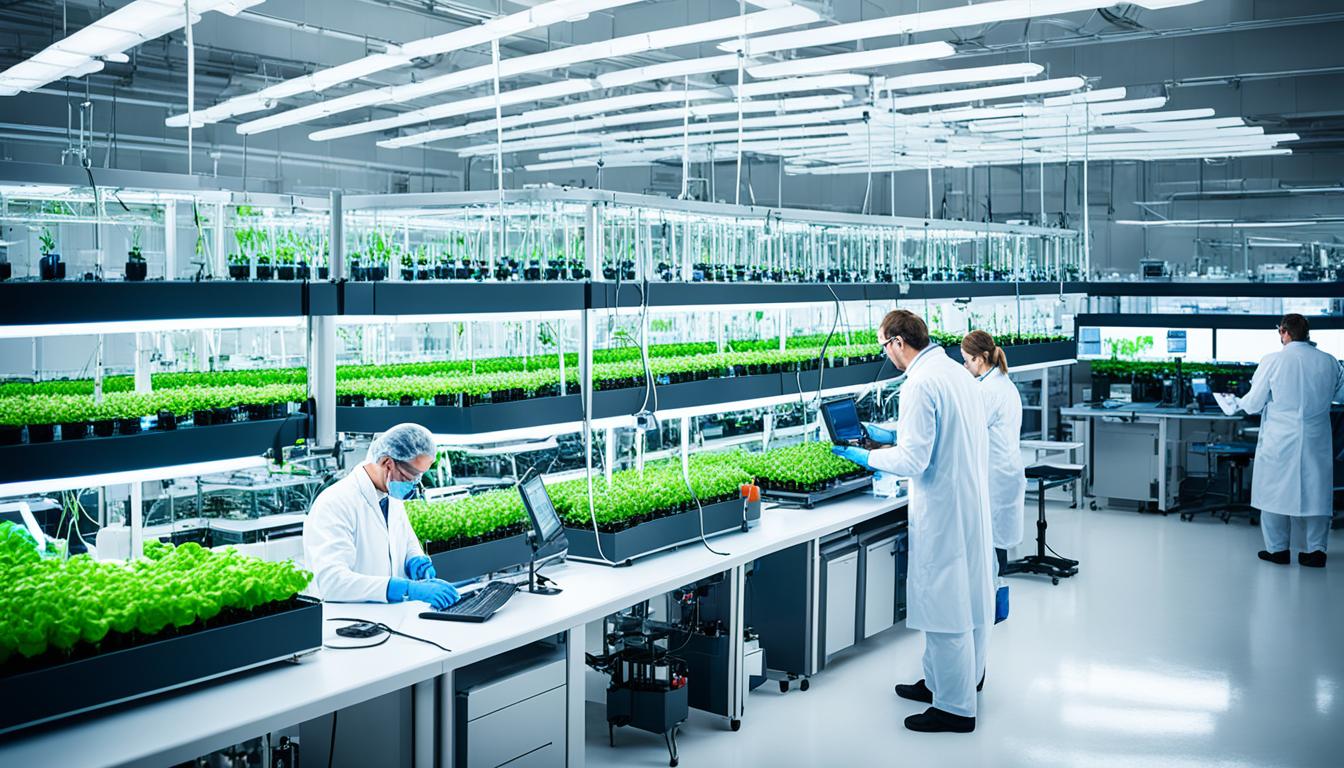
Welcome to an exciting journey into the world of biotechnology. This field is changing industries, improving healthcare, and making the future of sustainable agriculture and renewable energy brighter. We’ll explore 10 key insights that show how biotechnology is changing our world.
We’ll look at the latest in genetic engineering and the ethics of biomedical breakthroughs. See how biotechnology is changing healthcare, making crops better, and using nature to solve environmental problems.
Let’s explore the power of genetic engineering, the promise of biofuels and renewable energy, and the importance of biotechnology education. We’ll also talk about the rules and policies that help make this field safe and responsible.
If you’re into science, interested in the future, or just curious about biotechnology, this article is for you. Get ready to be amazed and inspired by 10 incredible insights that will change how you see this exciting field.
Exploring the Frontiers of Biotechnology
The world of biotechnology is changing fast, with new innovations that are changing industries and improving lives. These advancements, like gene editing and personalized medicine, are pushing the limits of what we thought was possible. It’s important to think about the ethical issues that come with these new technologies.
Cutting-Edge Innovations in Biotech
Biotechnology is changing many areas, from healthcare to farming. Genetic engineering has led to new treatments for rare genetic diseases. Synthetic biology is making sustainable biofuels possible. These innovations have the power to solve big global problems.
Ethical Considerations in Biotechnology Advancements
As biotechnology grows, so do the ethical questions it raises. Issues like genetic privacy, using human embryos in research, and how it affects different groups of people need careful thought. Finding a balance between the benefits and ethics of biotech is a tough task. It requires careful thought and responsible decisions.
Exploring biotechnology’s frontiers is an ongoing journey with both exciting discoveries and deep ethical concerns. By understanding these innovations and the ethical debates around them, we can navigate this complex field better. This helps us make informed decisions about its future.
The Transformative Power of Genetic Engineering
Genetic engineering has become a key tool, changing fields from healthcare to farming. CRISPR technology leads this change, allowing for precise changes to genes. This opens doors to new treatments, better crops, and solutions to big problems.
Personalized medicine is now possible thanks to genetic engineering. CRISPR helps find and change specific genes. This means treatments can be made just for you, fighting complex diseases more effectively.
In agriculture, genetic engineering is also making a big difference. Scientists are creating crops that are stronger, healthier, and produce more food. This could help solve global hunger and make farming more sustainable.
As genetic engineering grows, its potential to change the world is huge. From making medicine just for you to growing more food sustainably, CRISPR and other technologies are changing how we tackle big issues. The future looks bright, full of hope for a healthier, more efficient world.
Engaging Insights into Biomedical Breakthroughs
Biotechnology is changing healthcare in big ways. It’s leading to new discoveries that change how we fight diseases. These advances are making treatments better and helping us prevent illnesses.
Now, we have personalized medicine thanks to biotech. This means doctors can create treatments just for you. It makes treatments work better and cuts down on side effects, making patients healthier.
Regenerative medicine is another big step forward. It uses biotech to fix damaged tissues and organs. This is a big hope for people with long-term illnesses. It could greatly improve life for many people.

The biotech industry is always finding new ways to improve healthcare. We’ll see more big discoveries soon. Things like finding diseases early and better treatments are on the horizon. Biotech is making healthcare better, leading to a future of tailored, healing medicine.
Biotechnology’s Role in Sustainable Agriculture
The world needs more food and wants to reduce the harm farming does to the environment. Biotechnology is key in making farming sustainable. It uses genetic engineering, precision farming, and biopesticides to change how we grow crops and produce food.
Enhancing Crop Yields and Food Security
Biotechnology is making crops stronger against pests, diseases, and tough conditions. By adding traits like drought resistance and pest immunity, scientists make crops better. This leads to more food and helps the planet by cutting down on harmful pesticides and water use.
Biotechnology is also vital for solving the food security problem. With more people on Earth, it offers new ways to increase food production. This ensures everyone gets enough nutritious food that’s also affordable.
The Future of Biofuels and Renewable Energy
Biotechnology is set to change the game in renewable energy. Scientists are using biological methods to make advanced biofuels and products. These are sustainable options to traditional fossil fuels. They’re looking at microalgae and special microorganisms to find new ways to make renewable energy.
Microalgae are a big deal for biofuel production. These tiny plants can turn sunlight and carbon dioxide into lipids. These lipids can be turned into biofuels. Scientists are working hard to make growing and processing microalgae cheaper and bigger.
Microalgae can also make bio-based chemicals and other important stuff. This makes biotechnology even more important in renewable energy.
Biotechnology is also working on making special microorganisms for biofuels. These microorganisms can make biofuels like bioethanol and biodiesel. This could help us use less non-renewable energy and make our future greener.
The world is moving towards cleaner energy, and biotechnology in biofuels and renewable energy is key. With more research and innovation, we can use biological processes to make a future powered by clean energy.
Engaging Insights into Industrial Biotechnology
Beyond healthcare and agriculture, biotechnology is making big strides in the industrial world. This section looks into the exciting world of industrial biotechnology. Here, new bioprocessing and biomanufacturing methods are changing how we make things like chemicals and textiles. We’ll see how biotechnology is making industrial processes more sustainable and efficient, leading to a bio-based economy.
Industrial biotechnology, or white biotechnology, uses biotechnology for industrial goals. It uses microorganisms, enzymes, and other biological tools to make many products, like biofuels and bioplastics. This field is changing traditional manufacturing to be greener and cheaper.
Bioprocessing is a big part of industrial biotechnology. It uses biological systems to make specific compounds. With advanced bioprocessing, making products is now more sustainable and efficient. For instance, enzymes in biofuels and chemicals cut down on energy use and waste, helping the environment.
Biomanufacturing is also key in industrial biotechnology. It uses living organisms or parts to make products. This method makes unique, valuable compounds that are hard to make with traditional chemicals. Biomanufacturing is leading the way to a greener industrial future.
As we aim for a sustainable future, industrial biotechnology is a big hope. It uses biology to help us move to a bio-based economy. This means more renewable and green materials and processes. It could greatly cut down on fossil fuel use, lessen environmental harm, and open up new jobs in sustainable manufacturing.
Biotechnology’s Impact on Environmental Conservation
Biotechnology is becoming a key player in protecting our environment. It uses nature’s power to create solutions for big environmental problems. This includes things like cleaning up pollution and making materials that are good for the planet.
Harnessing Nature’s Potential for Eco-Friendly Solutions
Biotechnology is changing the game with bioremediation. This method uses living things to clean pollutants from the earth and water. Scientists are finding new kinds of bacteria and fungi that can eat away at things like oil spills and plastic.
It’s not just about cleaning up pollution. Biotechnology is also making materials that can break down easily and are made from things found in nature. This means we can make things like plastics that don’t harm the planet as much.
As we face big environmental challenges, biotechnology is showing us a way forward. It uses nature to create new solutions. This could lead to a future where we take better care of our planet.
The Ethical Debates Surrounding Biotechnology
Biotechnology is pushing the limits of science, sparking important debates and complex questions. It’s key to think about the ethics of biotechnology. We need to use these advancements wisely, keeping our values in mind.
There are many ethical topics in biotechnology, like genetic engineering and human enhancement. Experts and policymakers are trying to make sure these new technologies are right for us. They aim to match the development of biotechnology with ethical standards and what’s best for humanity.
Navigating the Moral Complexities
Rules and guidelines are vital for biotechnology’s ethics. They help balance the good and bad sides of these new technologies. Making these rules requires input from many people, including scientists, ethicists, and the public.
As biotechnology grows, we need strong ethical rules and ongoing talks. By promoting responsible innovation, we can use biotechnology’s power. This way, we keep our values like dignity, justice, and caring for the planet.
Biotechnology Education and Workforce Development
The world of biotechnology is changing fast, making it crucial to have a skilled workforce. Educational institutions and initiatives are key in training the next biotech leaders. They inspire and prepare students for the future.
STEM education is vital for a strong biotech workforce. It combines practical learning, advanced research, and real-world applications. This prepares students for careers in genetic engineering and bioinformatics, among others.

Workforce development is also key in linking education to the biotech industry. Educational institutions, research centers, and companies work together. They offer internships, apprenticeships, and mentorship programs. These programs give students valuable experience and prepare them for the industry.
Investing in biotech education and workforce development is essential. It helps students grow and provides the industry with the skills it needs. This ensures innovation and progress in the field.
Regulatory Frameworks and Policies in Biotechnology
The biotechnology industry is always changing. That’s why strong rules and policies are key to keep things safe and secure. We’ll look at how these efforts help balance new discoveries with safety measures.
Ensuring Safety and Responsible Innovation
Groups like the U.S. Food and Drug Administration (FDA) and the Environmental Protection Agency (EPA) are vital. They make sure biotech products and processes are safe. They set rules to handle risks, like keeping us and the environment safe.
These agencies help the biotech industry grow safely. They make sure new products are tested and approved. This way, we get to enjoy the benefits of biotech without harm.
The industry is watched closely to follow ethical standards. This keeps biotech companies honest and responsible.
As biotech advances, leaders are updating rules to match new discoveries. This teamwork helps us enjoy biotech’s perks while avoiding risks. It builds trust in this exciting field.